
Keno - Cards Game Guide | Super Ace Game
Keno is a number-pick cards game where a player selects numbers, chooses a stake, and checks the result against a draw. This guide explains the round flow, the key features, and sensible ways to explore Keno on Super Ace Game.
In short, Keno suits a player who wants quick decisions with an easy-to-read result: select a manageable group of numbers, confirm the wager, and review the draw without confusing table rules.
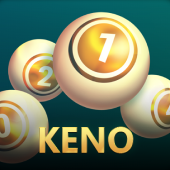 Keno
Keno
Game name: Keno Type: cards
More cards games to compare with Keno

These four cards games offer different decision rhythms. Use the direct game pages where available, or use the promotion action on a title that is presented through the platform.
Keno Features for Clear, Fast Rounds
Keno works best when its simple number format stays visible from selection to result. The cards presentation makes the main decision easy to locate, while the short round structure helps a new player understand what happens before committing a stake.
- Number selection: mark a group of numbers and keep the choice deliberate rather than clicking through a crowded menu.
- timer Quick rounds: a short confirmation and draw cycle lets you pause after each result and review the session.
- Readable outcome: compare selected numbers with the drawn result without needing a long paytable lesson.
- Mobile-friendly pace: controls remain practical for a phone session, whether you are studying a demo or using an active balance.
- Adjustable focus: change the number set or stake between rounds instead of treating one choice as a promise for the whole session.
A good first visit to Keno is therefore observational: inspect the board, identify the available stake controls, and only then use the platform action to begin.
How Keno Works in a Cards Game Session
The practical answer is a five-step loop: choose, stake, confirm, watch the draw, and assess the result. Keeping those steps separate makes Keno easier to follow than a rushed sequence of repeated clicks.
- 1. Set a purpose: decide whether the round is for learning the interface or for a planned entertainment session.
- 2. Pick numbers: select only a number of entries you can explain to yourself; random selection is also a valid way to avoid false confidence.
- 3. Confirm the stake: check the wager and remaining balance before submitting the round.
- 4. Read the draw: look at matched and unmatched numbers only after the result is complete.
- 5. Decide again: record the result, take a break, or stop when the session rule says to stop.
For a comparison point, Baccarat B asks you to read a table outcome rather than select numbers. That difference is useful when choosing Keno for a more self-directed card-style round.
A Keno Demo can be useful for learning the location of the selection panel and the confirmation state. Treat a demo as interface practice, not as evidence that future paid results will follow the same pattern.
Keno RTP: How to Read the Numbers
RTP is a long-run mathematical estimate, not a promise for one Keno draw. Use the published return-to-player information, if shown for the game, to compare the design over many rounds; do not read it as a prediction of the next result.
The same reasoning applies to a super ace game Keno review: a headline number can help with comparison, but it cannot turn a random draw into a predictable event. Jackpot language should be treated as a description of potential prize structure, not a guarantee of a win.
If you are comparing Keno with a super ace game slot, ask whether you prefer number selection or reel-based features. The choice is about format and pace; neither format removes the underlying chance in the outcome.
The Keno Theme and Player Experience
Keno creates its strongest experience through anticipation rather than complicated decoration. The visual focus stays on selected numbers and the reveal, so the player can understand the rhythm of a round at a glance on a compact screen.
The cards identity gives the game a familiar, orderly feel. Selection marks establish a personal input, the draw supplies an immediate contrast, and the result display closes the loop. That structure makes a short break or a carefully timed session easier to manage.
- Visual clarity: a focused board helps distinguish a selected number from a drawn number.
- Measured excitement: the reveal arrives quickly, but the pause between rounds leaves room to make a fresh decision.
- Easy contrast: players who enjoy a more animated title can compare the experience with Wild Bounty Showdown without confusing the two rule sets.
A super ace game Keno visit should feel calm enough to inspect. Lower the pace, use a comfortable brightness level, and keep the phone on a stable surface if the session is longer than a few rounds. The point is to enjoy the format, not to let visual speed make decisions for you.
Keno Strategy for Measured Decisions
The most useful Keno strategy is disciplined session planning, not a claim that one number is due. Random draws do not remember previous rounds, so a repeatable budget and stop rule are more dependable than chasing a pattern.
The strategy can be applied across the site without pretending that every game has the same mathematics. A super ace game Keno plan should stay specific to this number-draw format, while a comparison such as Boxing King may use a different pace and control layout.
Players researching a super ace game apk or super ace game download should also verify the official platform route, permissions, and account details before signing in. Never install an unknown file just because it promises a faster result.
Choose Keno for Your Session
Choose Keno when you want a compact, number-led round with a clear beginning and end. It is a practical fit for learning a cards interface, checking a small entertainment budget, or taking a short break without a long rules briefing.
The best use case for Keno is one with an explicit purpose. Decide what you want to learn or enjoy, set the boundaries first, and let the result remain just one result rather than a reason to extend the session.
For anyone looking into super ace game Keno, that simple checklist is enough to begin: understand the cards layout, confirm the rules, select a comfortable stake, and use the official action only when ready.
Ready to Understand Keno?
Review the numbers, set a limit, and explore a focused cards game at your own pace.